Cinema
The story of an artand an industry.
In a little over a century, cinema grew from a technical curiosity shown in fairground tents into one of the world's great cultural industries. A reading that runs from the first night that light fell on a screen to today's global platforms.
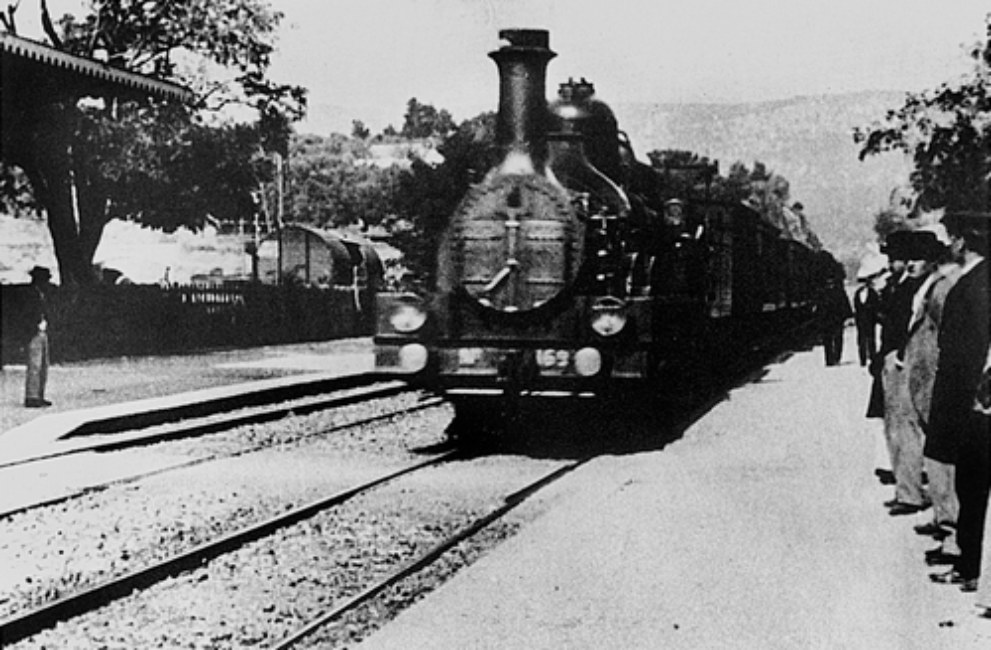
The invention of the moving image
On the night of 28 December 1895, in the basement of the Grand Café in Paris, the Lumière brothers showed short films of everyday life — workers leaving a factory among them — to a paying audience for the first time. Of “The Arrival of a Train”, screened a few weeks later, it is said that viewers recoiled in fear; true or not, the anecdote captures cinema's first power: turning the illusion of reality into a collective experience.
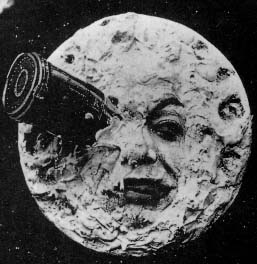
Where the Lumières saw a documentary tool, Georges Méliès — a former stage magician — saw something else entirely: trickery, imagination, narrative. His “A Trip to the Moon” (1902), with its studio sets and visual effects, is the first great example of cinema's fictional language. Document and dream — cinema found both of its veins at birth.
The “nickelodeon” theatres that opened from 1905 onward, charging five cents a show, mark cinema's shift from novelty to business model. Within a decade thousands of theatres had opened; demand created the first studios of regular production. The unending partnership of art and industry had begun.
“No art passes our conscience in the way film does, and goes directly to our feelings, deep down into the dark rooms of our souls.” — Ingmar Bergman
The studio era
In the 1910s, cheap land and abundant sunshine drew film production to Hollywood. By the 1920s the major studios had become companies controlling production, distribution, and exhibition under one roof. Writer, director, star, and crew all worked for the studio — the order historians call the “studio system” gave filmmaking a factory discipline.
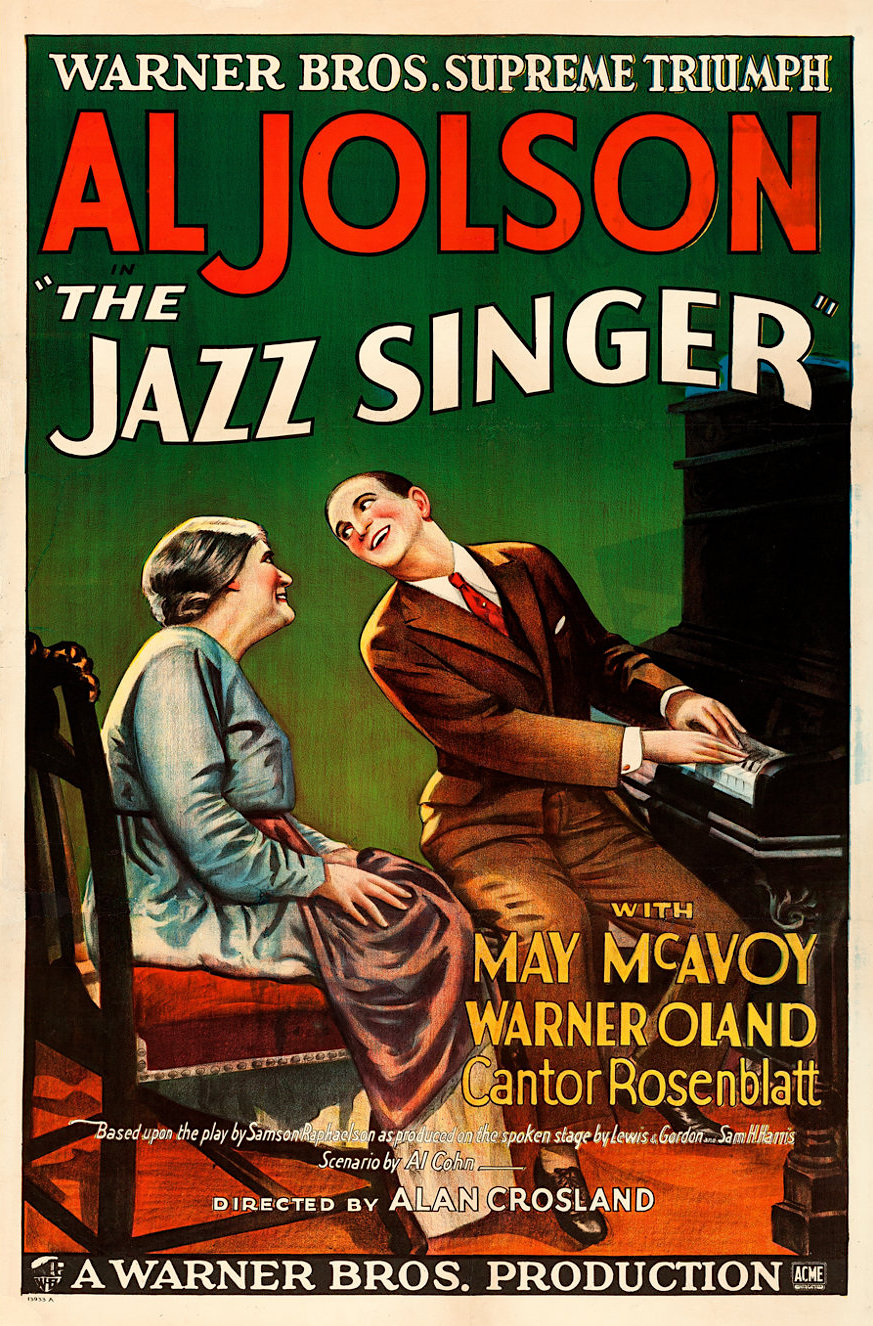
Sound arrived with “The Jazz Singer” in 1927 and rebuilt the industry overnight. It changed acting, writing, music, and theatre architecture. The 1930s and 40s became Hollywood's Golden Age: over five hundred films a year, tens of millions of tickets a week, and a storytelling standard that ruled the world market. Stars were the engine of the system — studios bound their actors with long-term contracts and built their images themselves; the western, the musical, and film noir each raised its own stars and its own audience.
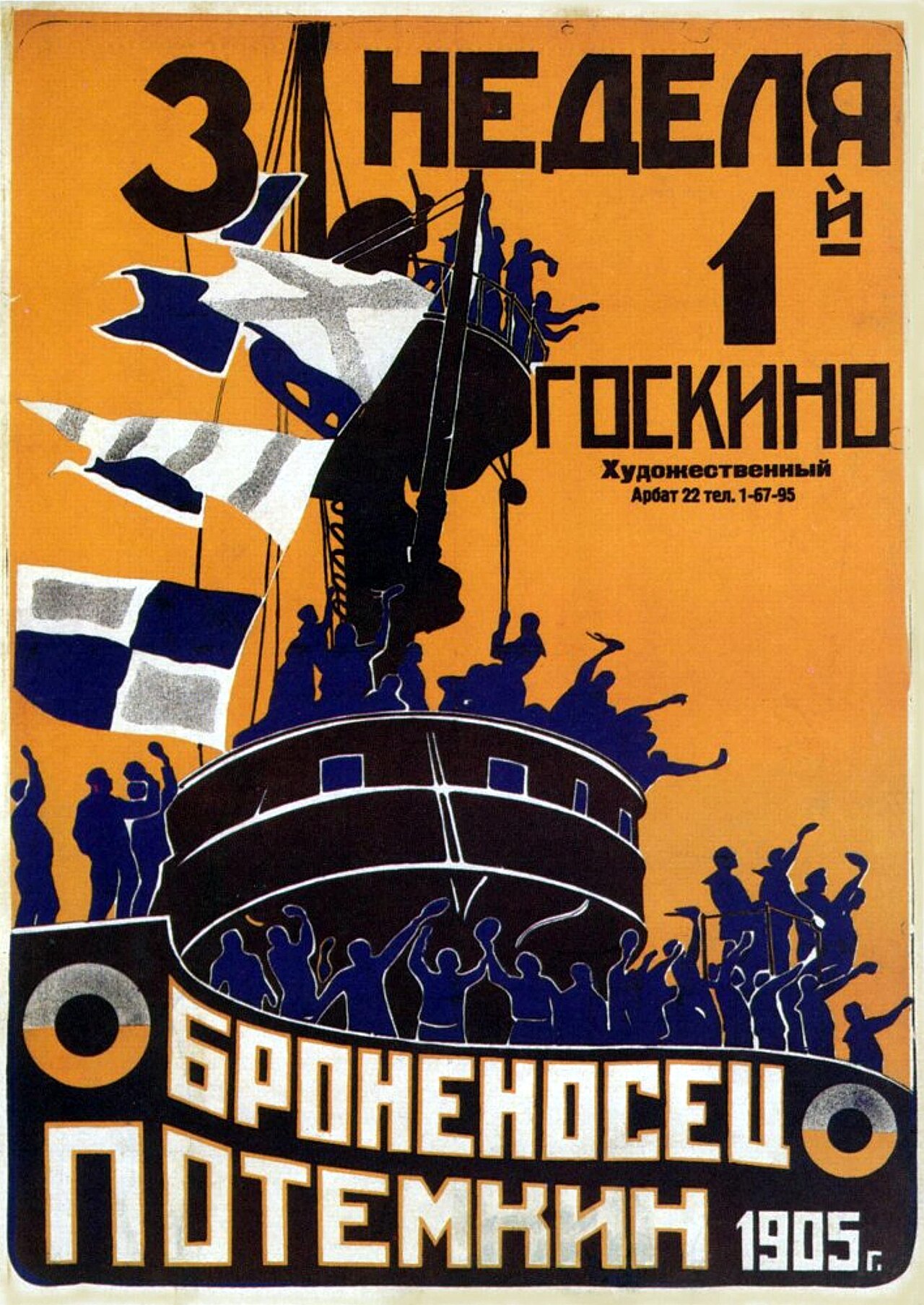
In the same years cinema showed other faces: the Soviet school discovered the power of montage, German Expressionism carried psychology onto the screen with light and shadow. Within its first half-century, cinema had matured both as an industry and as an art form.
The waves of world cinema
Italian Neorealism was born among the ruins of the Second World War: streets instead of studios, real people instead of stars. Films like “Bicycle Thieves” proved that cinema is made by the right gaze, not the big budget. At the end of the 1950s a group of young French critics picked up the camera; the New Wave broke the rules and declared the director the true author of the film.
In the same period Japanese cinema reached the world stage with Kurosawa and Ozu; Bergman from Sweden and Fellini from Italy widened cinema's philosophical borders. In the 1970s, young American directors nourished by all these currents — Coppola, Scorsese, Spielberg — built the “New Hollywood”: a generation that met the courage of art cinema with studio scale.
When “Jaws” and “Star Wars” opened the blockbuster era, the economics of the industry changed once more: the global box office, franchise logic, and marketing rising to equal footing with production. The balance between art and market has been every producer's central question ever since.
Turkish cinema


The beginning of cinema in Turkey is traditionally dated to 1914, to Fuat Uzkınay's footage of the demolition of the Russian monument at Ayastefanos. In the early Republic, cinema long advanced on the shoulders of one man — the theatre director Muhsin Ertuğrul; in the 1950s, with Lütfi Akad, it stepped out of theatre's shadow and began to build its own language.
The 1960s and 70s are the peak of Yeşilçam: with close to three hundred films a year, Turkey became one of the world's most prolific film industries. Those years also saw the rise of art cinema — Metin Erksan's “Dry Summer” won the Golden Bear in Berlin in 1964; “Yol”, written by Yılmaz Güney, shared the Palme d'Or at Cannes in 1982.
The 1980s and early 90s were a period of contraction in the shadow of television and economic crises. The turning point came in 1996: Yavuz Turgul's “The Bandit” drew millions back to theatres. In the same years a new independent generation emerged with Nuri Bilge Ceylan, Zeki Demirkubuz, and Derviş Zaim; Ceylan's “Winter Sleep” reached the Palme d'Or at Cannes in 2014.
Today Turkey is one of the few European markets where local films dominate the box office, and one of the world's leading exporters of television drama. Bringing local stories to the global audience is the greatest window of opportunity for Turkish producers.
At its height, Yeşilçam stood among the largest film industries in the world, approaching three hundred films a year.
Turkish cinema today
Turkey is one of Europe's largest markets by cinema admissions. Ticket sales, around 20-25 million a year in the early 2000s, grew year after year to pass 71 million in 2017 — a record — held near 70 million in 2018, and eased to the 57-60 million range in 2019. In those same years local films regularly took more than half of the box office, reaching sixty-three percent in 2018: Turkey became one of the few European markets whose audience watches its own stories.
The pandemic stopped theatres in Turkey as everywhere; admissions hit historic lows in 2020 and 2021. The recovery is gradual but real: about 31.5 million tickets were sold in 2023 and about 33 million in 2024, with local comedies and family films remaining the engine of the box office. Today's market rests on a new balance — fewer but more ambitious films, shorter release windows, and marketing budgets that compete with production budgets.
The other half of the equation is the platforms. The entry of Netflix, Disney+, Prime Video, and local platforms into Turkish productions opened new financing doors for producers, uninterrupted work for crews, and a hundred-and-ninety-country showcase for Turkish stories. Turkish series sell to more than a hundred and fifty countries, with annual exports past six hundred million dollars — among the world's great content exporters, Turkey ranks just behind the United States. The platform era offers the chance to add cinema to that export power.
Theatre and platform are no longer rivals but two windows of the same strategy: a rightly built film becomes an event in theatres first, then opens to the world on a platform. For the producer who can strike that balance, Turkey — with its audience, its stock of stories, and its production capacity — is one of the most exciting markets in the world.
Cinema today
Digital cameras, digital distribution, and streaming platforms rewrote cinema's hundred-year economics within a decade. Today a film can be watched in a hundred and ninety countries in the same week; platforms place audience data at the centre of development decisions, and the global viewer is more open to local stories than ever.
The paradox of this age of abundance: making a film has never been more accessible, and earning the audience's attention has never been harder. What distinguishes the productions that break through is not a formula but discipline — a well-targeted story, a well-built production, a well-planned release.
This is why, in today's industry, producing is a more central craft than ever. Creative vision brings a film into being; producing carries it to its audience.

Next
So how is a film made today?
Continue to Producing →