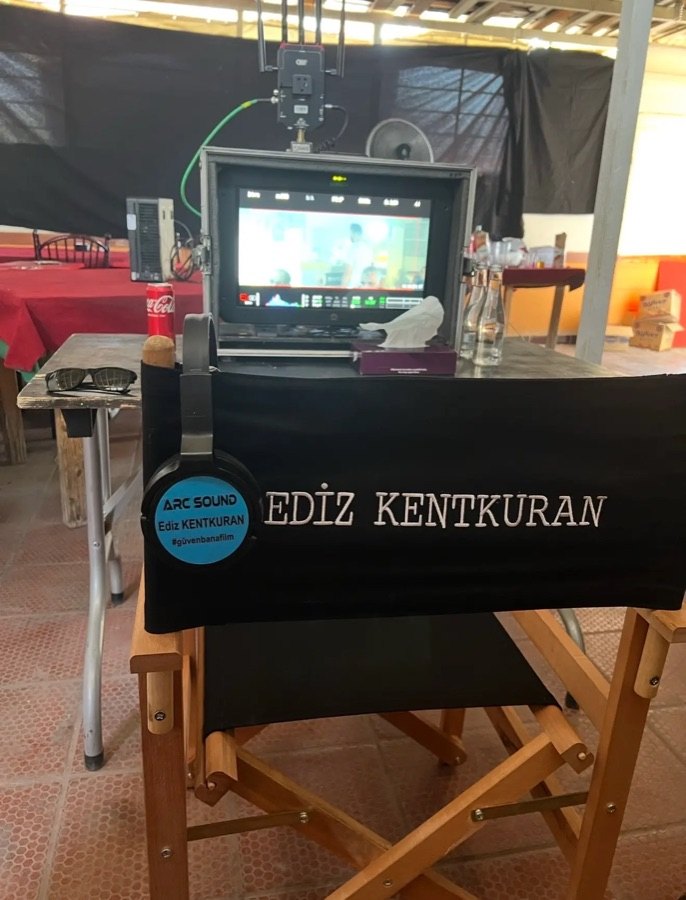
Producing
What is film producing?
The producer is the only person who stays with a film longer than anyone in its credits: from the first idea to the revenue reports. On who the producer is, the stages a film goes through, and the method that works worldwide.
Who is the producer?
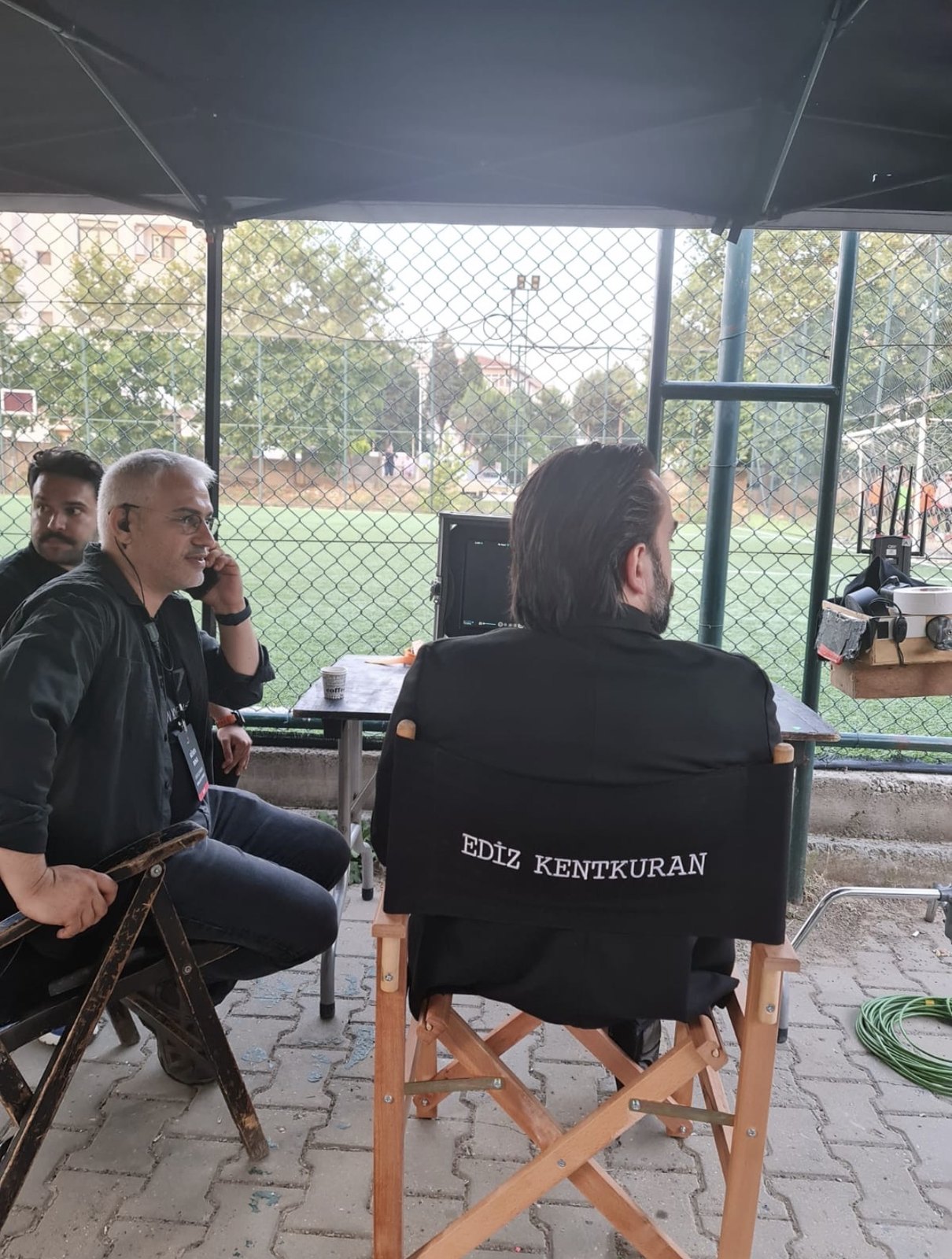
The producer initiates and manages a film's entire journey, from idea to audience. In the Producers Guild of America's definition, the producer personally makes the creative, production, budgetary, and legal decisions across development, pre-production, production, and post. A producing credit is not an honorary title; it is the mark of a craft.
A good producer speaks two languages at once: the language of art and the language of business — protecting the director's vision while holding the budget, saving the schedule without touching the writer's sentence, transparent to investors, reliable to the set. The film is born at the producer's desk and completed there.
Producer titles worldwide
Producer
The owner of the project; primary decision-maker at every stage from development to marketing.
Executive Producer
The person who provides financing or makes the project possible; rarely involved in daily operations.
Line Producer
The film's chief operating officer: primarily responsible for budget and set logistics.
Co-Producer
Supports the producer operationally, or represents the partner company in co-productions.
Associate Producer
A supporting role that takes over specific producing functions.
A film's signature belongs to its director; its guarantee, to its producer.
The journey of a film
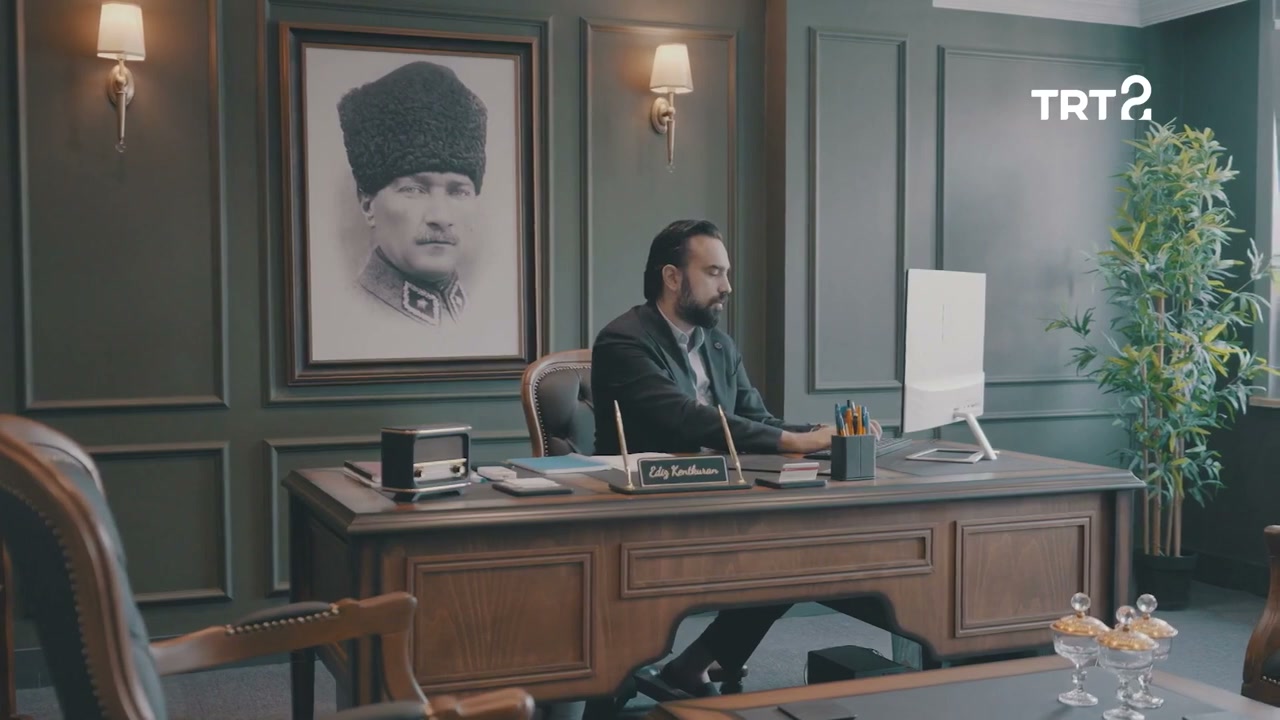
From development to distribution, the producer owns every stage. The process moves roughly through these stages:
Development
Idea, rights, screenplay. The producer finds the idea or options the rights, chooses the writer, guides the drafts, builds the initial financing.
Packaging
Director, cast, and partial financing are attached; the project becomes a whole that investors and distributors can buy.
Financing
Pre-sales, incentives, equity, and co-production agreements build the film's capital architecture.
Pre-production
Final budget and schedule; key crew, casting, locations, contracts, insurance, permits.
Production
The set is built, the film is shot. The producer tracks daily reports and makes the final call in crisis.
Post-production
Edit, sound, music, colour. Cuts are reviewed, test screenings run, delivery materials completed.
Marketing & distribution
Festival strategy, distribution deals, trailer, release. The producer's work continues to the revenue reports.
The universal method
A film begins not with the script, but with the audience.
Contrary to common belief, the mainstream industry does not begin with a screenplay but with a question: who will watch this film? Hollywood studios have made development decisions through market research since the 1980s; most projects are born not from finished spec scripts but through the “assignment” model, where the company first defines the concept and then commissions a writer. The numbers say the same: spec script sales, above one hundred and seventy a year in the mid-1990s, slid to around fifty a year in the 2010s. Netflix ordering “House of Cards” without even shooting a pilot — largely on audience data — is the emblem of this era; today platforms shape their development decisions with viewer data.
Kent Picture works with exactly this method. The order is clear and cannot be reversed:
Audience & market analysis
First, know the audience: which viewers, with what expectations, through which channel? The film's reason to exist becomes clear here.
Defining the themes
Theme and concept are built on what the analysis reveals: a premise that can be told in one sentence, designed for marketability from the start.
Writing the story
The theme becomes a story that will meet its audience. The story serves the theme — not the other way round.
Commissioning the writer
The right writer is selected and the screenplay is written to order within the defined frame — the very practice known worldwide as the writer assignment.
Packaging & production
Director and cast are attached, financing is closed, and the film is shot with a disciplined production.
The power of this order: every decision has a reason. A film made because its audience was defined from the start is accountable both to its creative team and its investors. Not a formula that excludes art — a discipline that brings art to its audience.
“Who will watch this film?” — the first question of every project.
The administrative backbone
The invisible skeleton that keeps a film standing: a budget structured above and below the line, a contingency reserve for the unforeseen, and the chain of title — the unbroken record of every right the film rests on. A single gap in that chain can make a film unsellable.
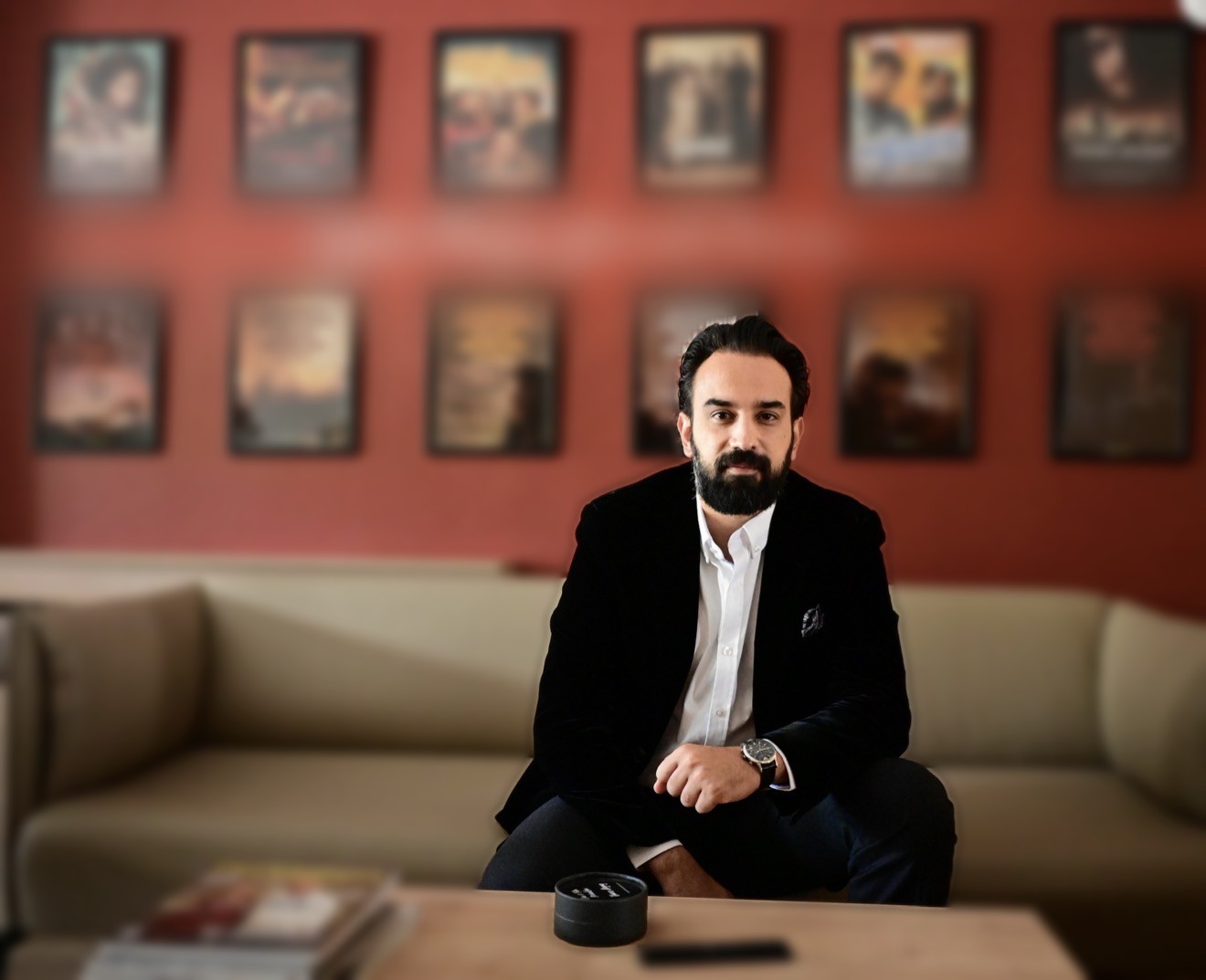
In international practice, financiers require completion bonds and comprehensive insurance packages: liability, cast, negative, and errors-and-omissions (E&O). Distributors treat the E&O policy as a delivery requirement — insurance is not just risk management but a precondition of selling the film. At Kent Picture, this legal-administrative side of producing is managed personally by the founder.
Producing in Turkey
The institutional framework of the sector in Turkey is set by Cinema Law No. 5224 of 2004, substantially updated in 2019; the most important public financing source is the Ministry of Culture and Tourism's cinema funds — from script development to first features, documentaries, and co-productions. Turkey has also been a member of Eurimages, the Council of Europe's co-production fund, since 1990, giving Turkish producers access to European co-productions.
The fundamental difference from world practice is the distribution of risk: Turkey does not yet have a strong pre-sale and minimum-guarantee market; financing rests mostly on equity, and the risk sits largely with the producer. That makes the method not a preference but a necessity — a film whose audience is not defined from the start is a bigger gamble for its producer in Turkey than anywhere else. The platforms' entry into Turkish productions has opened a powerful new source of financing for well-built projects.
See how we apply this method.
How we work →